
A permanent seat took time
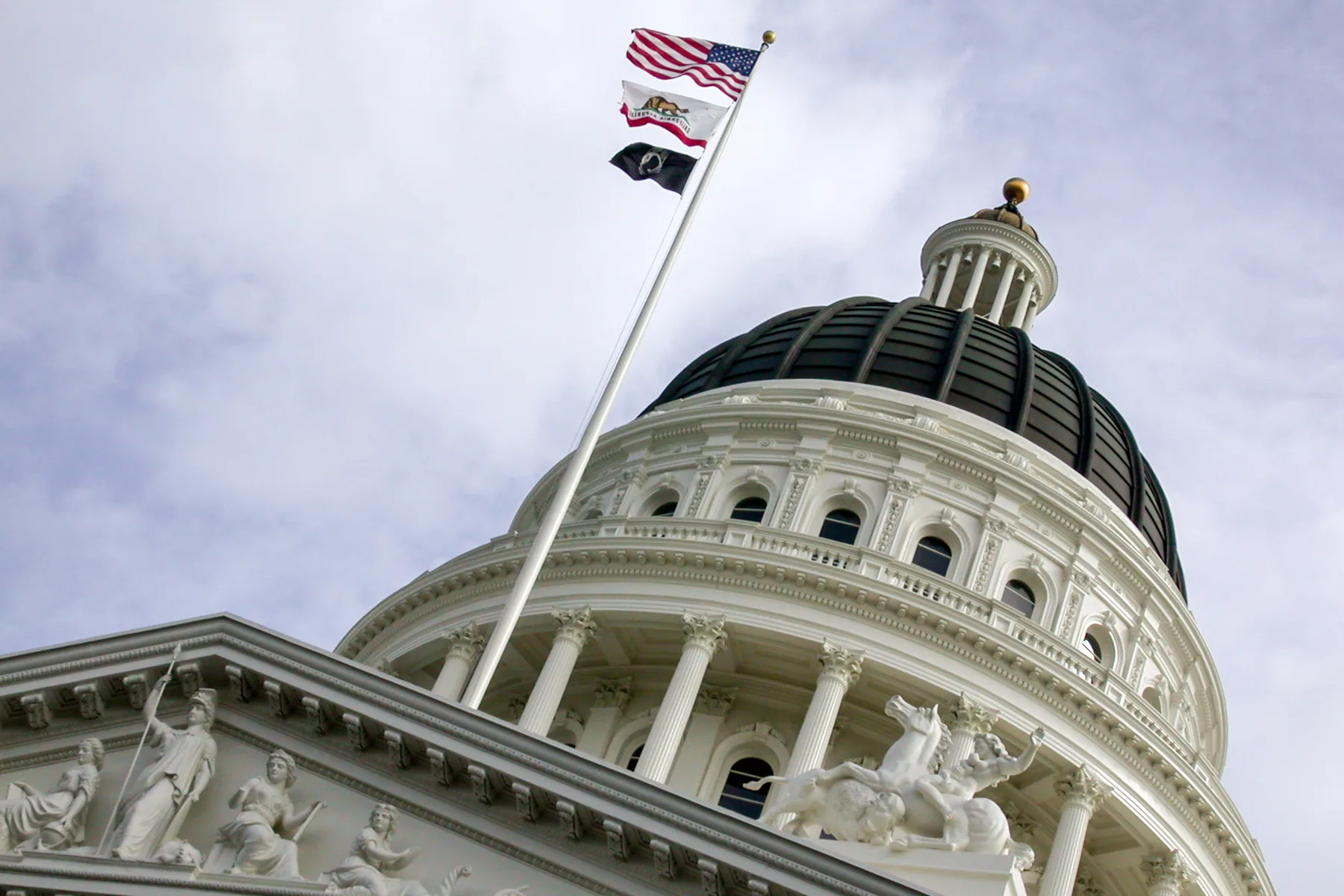
The California State Capitol is both a museum and the working seat of state government. The Capitol Museum explains that Sacramento became the permanent seat of government in 1854 after the Legislature had met in several California communities. Plans for a purpose-built capitol advanced later in the decade, and work on the current building began in 1860. The long construction period crossed the Civil War years and continued until 1874. That chronology matters because the building was not created as a static monument: public use began before every detail was finished, and changing government needs continued to reshape it.
The museum’s construction history describes a project affected by financing, flooding, labor, supplies and political disagreement. By late 1869, the partly completed building could house the Legislature and several state officers. Completion followed five years later. The materials and methods belong to their time, but the function remains current: legislative chambers and executive offices share the building with interpreted historic rooms and public museum spaces.
Growth, safety and restoration
As California’s government expanded, the Capitol changed. The museum records alterations for heating, ventilation, plumbing, elevators and office space. A fourth floor was added, and an east annex replaced the original apse in the mid-twentieth century. By the early 1970s, a seismic study found the historic building unsafe in an earthquake. California then faced a consequential choice between replacement and restoration.
The restoration returned historic rooms and architectural details while addressing structural safety and modern building needs. The work was completed in 1982. Visitors therefore see more than an old façade: they see a building whose continued use depends on documented decisions, specialized work and ongoing care. The Capitol Museum’s official history and tours provide the best current starting point because programs and access can change.
A practical insurance connection
The Capitol is not a model for rating a house or condominium, and its history says nothing about the risk at a particular Sacramento address. It does illustrate why property records matter. For a residence, keep permits, contracts, receipts and photographs for major alterations; tell the insurer about material changes; and review whether limits and endorsements still match the property. Replacement cost is not the same as market value, and an older or distinctive building may involve materials or methods that deserve a careful conversation.
The California Department of Insurance advises consumers to understand the dwelling, other-structures, personal-property, loss-of-use and liability sections of a homeowners policy and to compare exclusions and conditions. That guidance—not a landmark analogy—belongs in a coverage decision. The policy and endorsements actually issued control every claim.
Official sources: California State Capitol Museum overview, official construction history, and the California residential insurance guide.